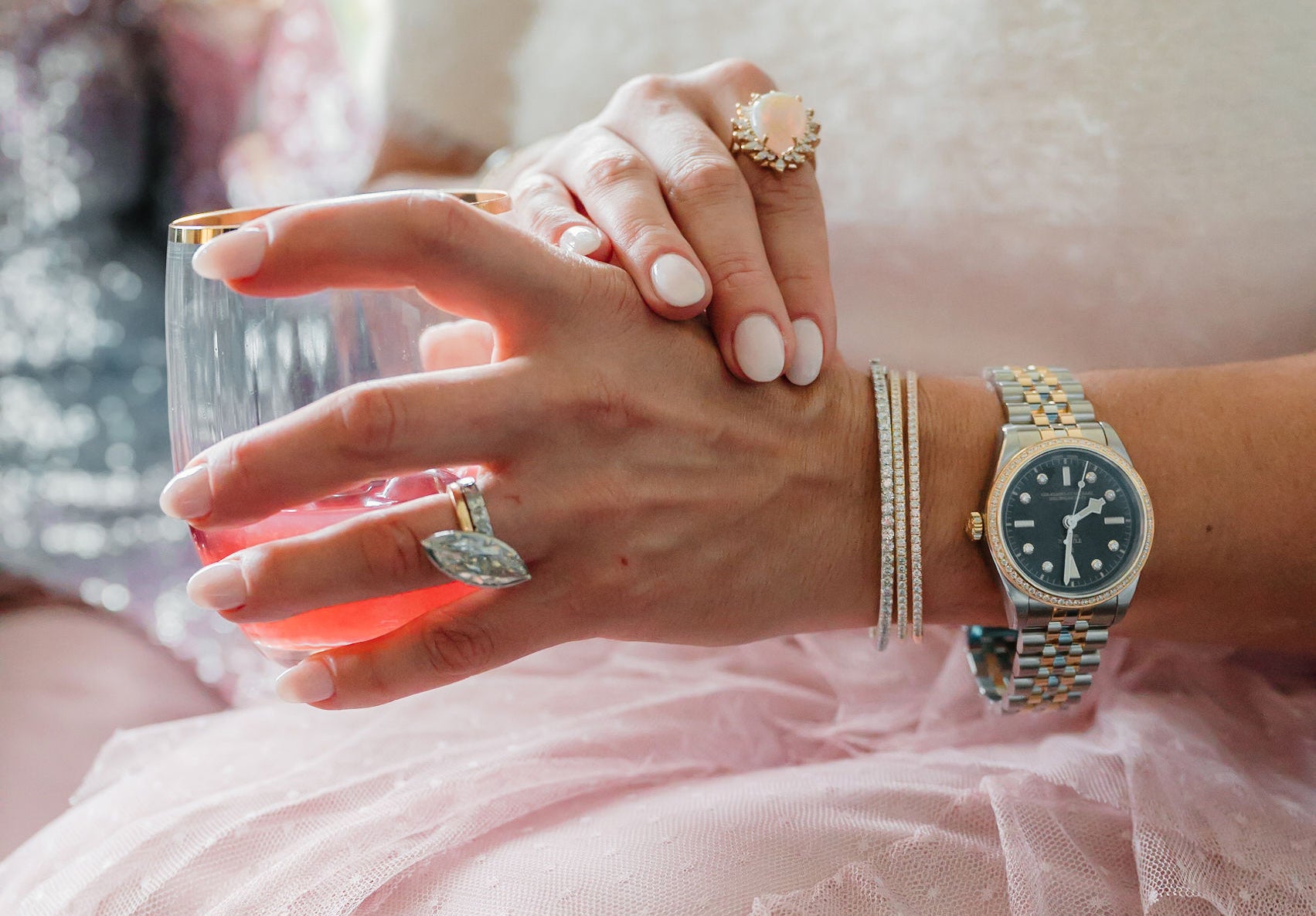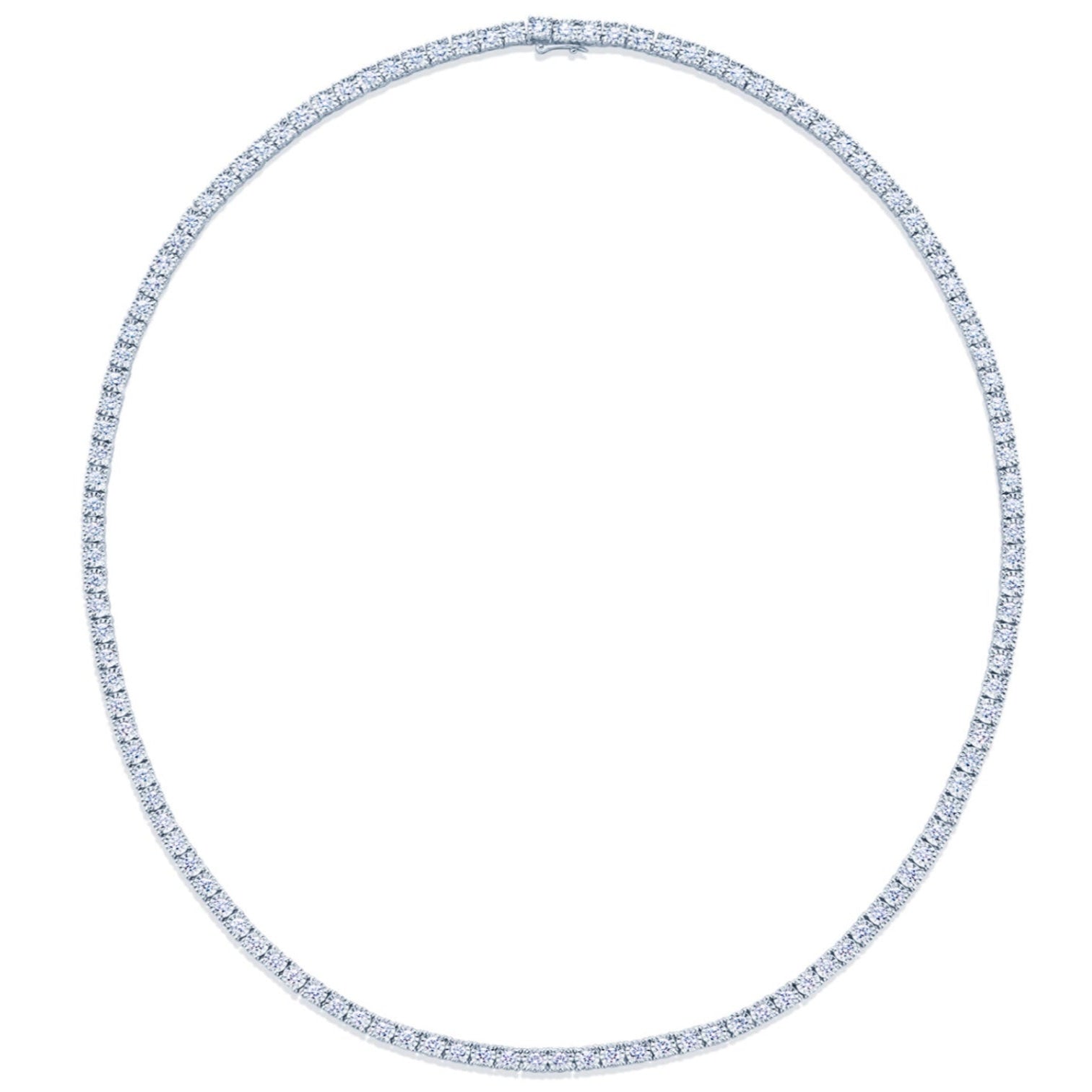
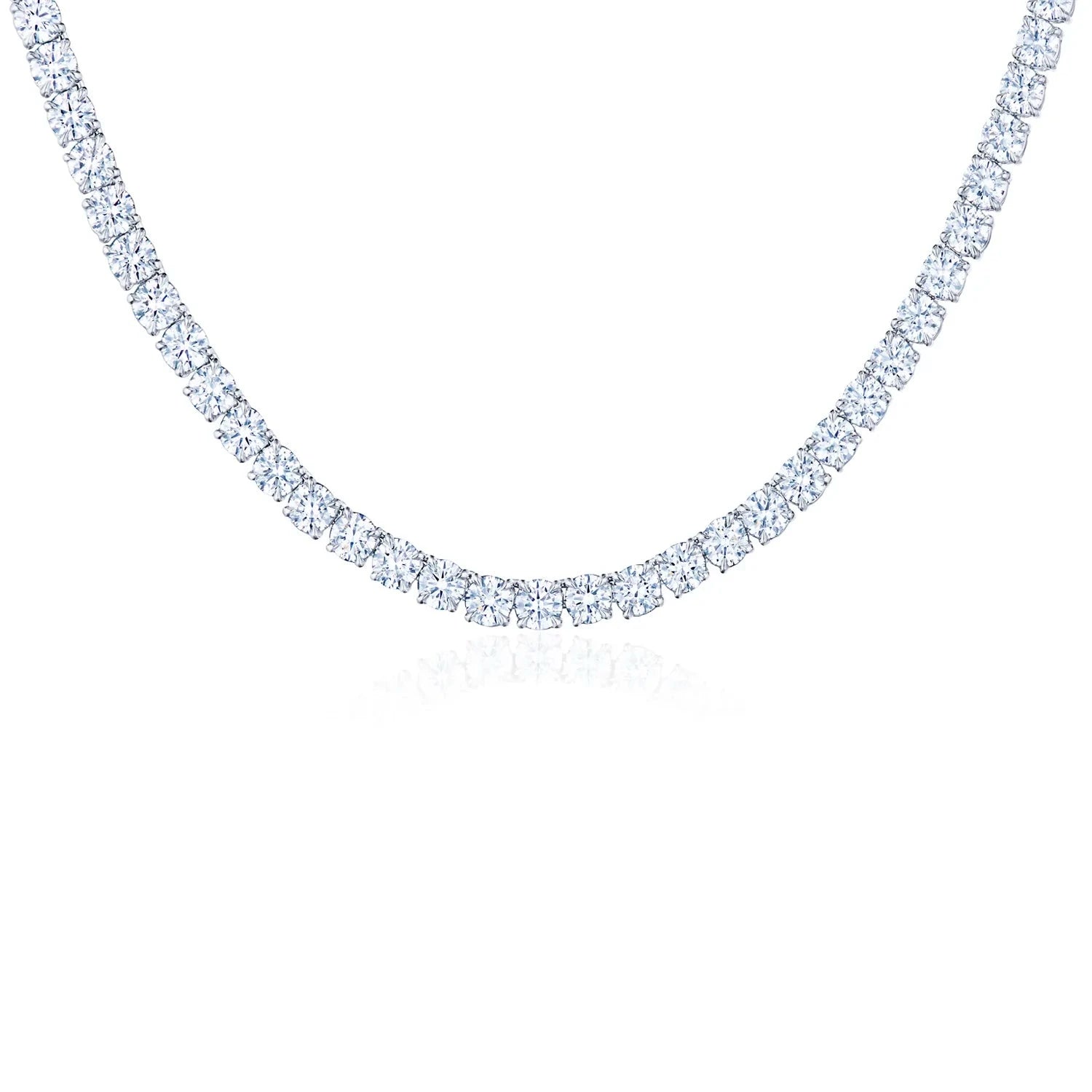
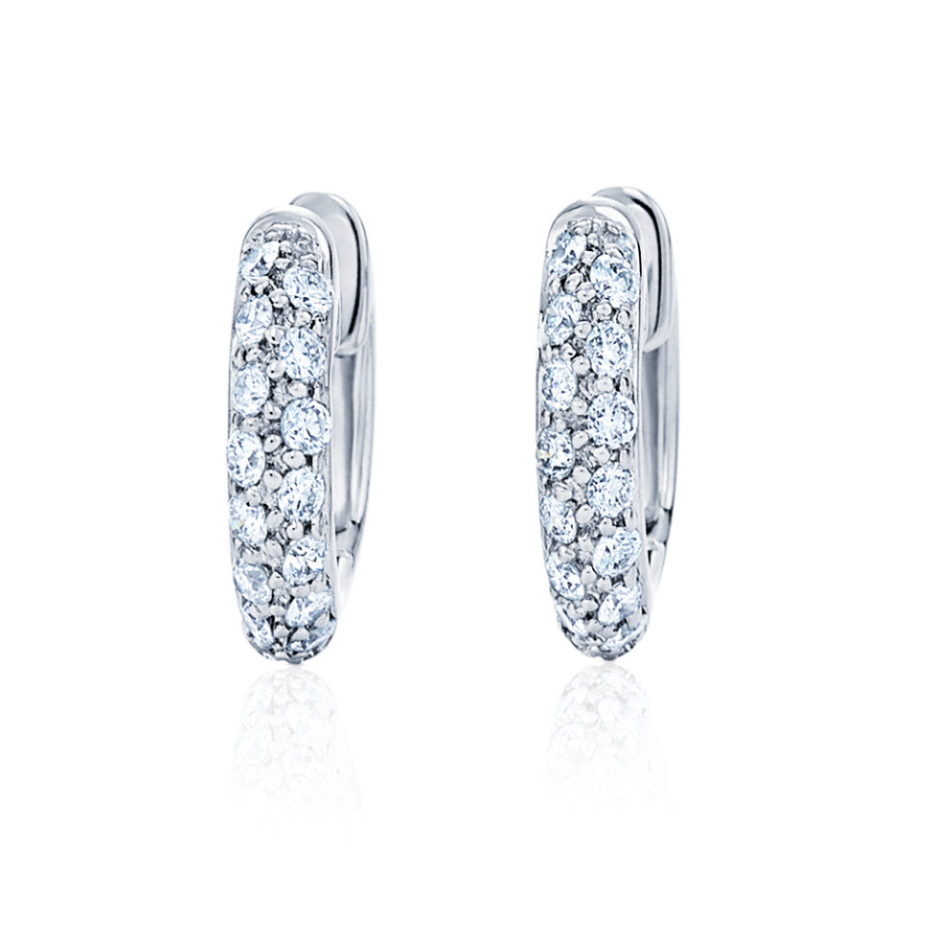
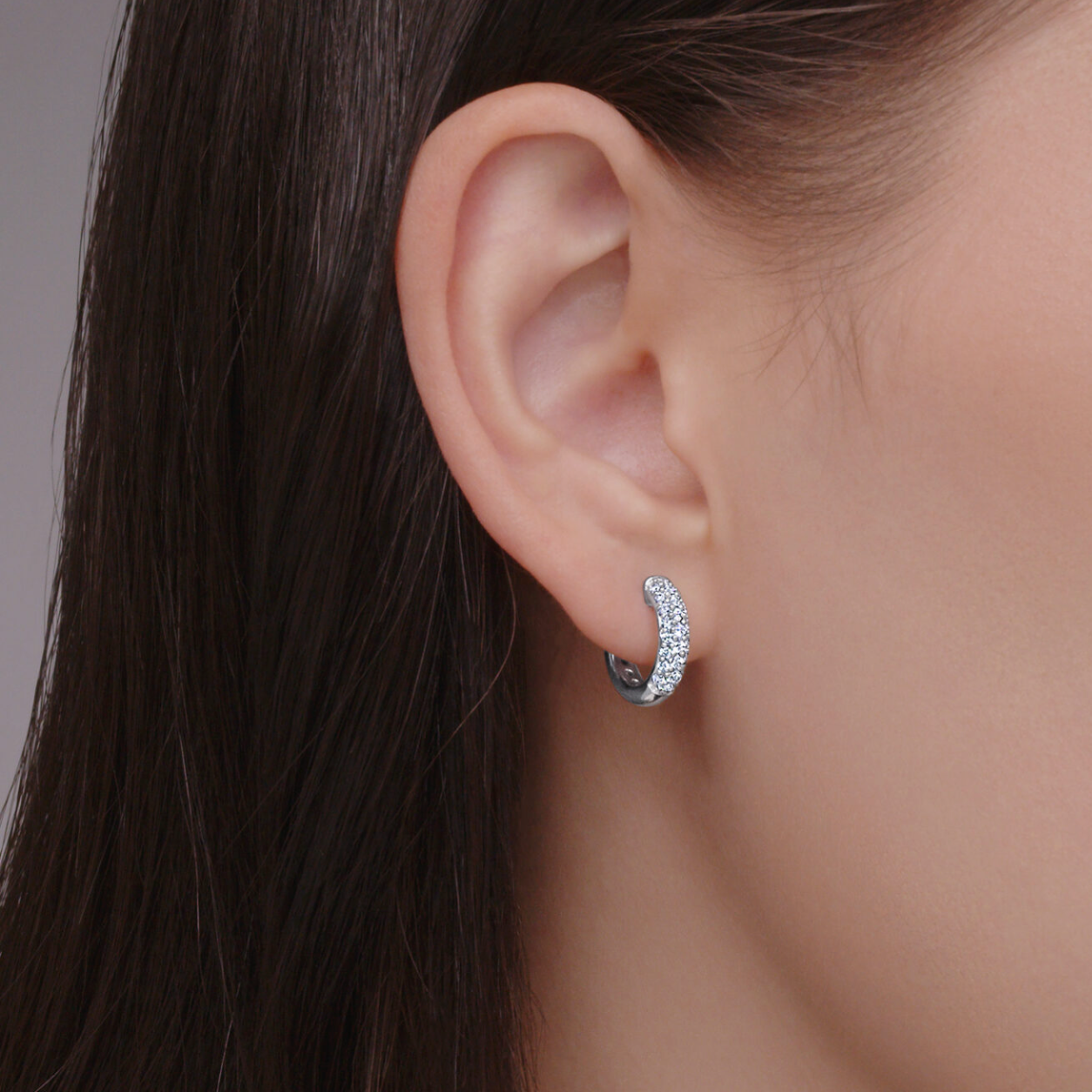



Diamonds are cut using other diamonds. More specifically, diamonds are shaped and refined with diamond-coated tools because diamond is the hardest natural material on Earth. There is no blade, saw, or metal strong enough to cut a diamond on its own. Instead, expert cutters rely on diamond grit, diamond powder, and diamond-edged instruments to carefully cleave, saw, shape, and polish each stone. This process is precise, slow, and highly skilled—designed not just to cut the diamond, but to reveal its brilliance, symmetry, and light performance. In short, diamonds are cut by diamonds, guided by craftsmanship, experience, and an exact understanding of how each crystal behaves.
Understanding this process helps explain why cut quality matters so much—and why diamond cutting is considered both a science and an art.
Why Diamonds Require Specialized Cutting Tools
Diamonds rank a 10 on the Mohs scale of hardness. That means they resist scratching from nearly every other material.
Because of this extreme hardness:
-
Steel blades do not work
-
Traditional saws are ineffective
-
Heat and pressure alone cannot shape the stone
Only diamond itself can reliably cut, grind, or polish another diamond. This fundamental fact defines the entire cutting process.
The Main Tools Used To Cut Diamonds
Diamond cutting happens in stages, and each stage uses different diamond-based tools.
Diamond Cleaving Tools
Cleaving is the process of splitting a rough diamond along its natural grain.
A skilled cutter:
-
Studies the crystal structure
-
Makes a precise notch
-
Applies controlled pressure using a steel blade
This step relies on knowledge more than force. When done correctly, the diamond separates cleanly along a natural plane.
Diamond Saws
Most modern diamonds are shaped using diamond saws rather than cleaving.
These saws feature:
-
Thin blades coated with diamond powder
-
High-speed rotation
-
Continuous water cooling
Diamond saws allow cutters to divide rough stones with greater flexibility and less risk.
Diamond Bruting Tools
Bruting is how a diamond is rounded.
Two diamonds are rotated against each other to form the basic outline of a round brilliant or fancy shape. This stage determines the stone’s overall silhouette.
Diamond Polishing Wheels
Final shaping and facet refinement happen on a polishing wheel called a scaife.
The scaife:
-
Spins at high speed
-
Is charged with diamond dust and oil
-
Allows cutters to polish each facet individually
This is where brilliance is created.
Traditional Craft Meets Modern Technology
While the tools are diamond-based, modern cutters also rely on advanced planning.
Today’s cutting process often includes:
-
3D mapping of the rough diamond
-
Computer modeling to maximize yield and brilliance
-
Laser marking for precise guidance
However, lasers do not actually cut the diamond’s facets. They assist positioning. Diamond tools still do the shaping.
How Different Diamond Shapes Are Cut
Different shapes require different cutting strategies.
-
Round brilliants demand extreme precision and symmetry
-
Emerald cuts emphasize straight lines and clarity
-
Ovals and pears require careful balance to avoid light leakage
-
Each shape influences how the cutter uses diamond tools and where material is removed.
How Diamond Cutting Impacts Beauty And Value
Cutting a diamond is not just about shaping it—it is about controlling how light moves through the stone.
Why Cut Quality Matters
A well-cut diamond:
-
Reflects light back to your eye
-
Appears brighter and more lively
-
Maximizes sparkle regardless of size
A poorly cut diamond, even with high color or clarity, can look dull.
This is where preferences usually become clear when viewing diamonds side by side.
Diamond Cutting Vs. Diamond Polishing
These terms are often used interchangeably, but they describe different steps.
-
Cutting shapes the diamond’s outline and proportions
-
Polishing refines each facet for smoothness and light return
Both steps require diamond-based tools and a steady hand. Polishing alone can take many hours for a single stone.
From The Jeweler’s Bench
At Springer's Jewelers, we often see clients surprised to learn how much human skill is involved in diamond cutting. Technology assists the process, but decisions about angles, proportions, and facet placement still rely on expert judgment. A diamond’s beauty is not accidental—it is earned through careful cutting. This understanding often changes how people evaluate diamonds beyond just carat weight.
Why Diamond Cutting Takes Time
Diamond cutting cannot be rushed.
Each decision is permanent. Removing too much material—or cutting at the wrong angle—cannot be undone. This is why experienced cutters work slowly and deliberately.
Clients are sometimes surprised to learn that shaping a single diamond can take weeks from start to finish.
A Simple Comparison: Tools And Their Purpose
|
Tool |
Purpose |
|
Cleaving Blade |
Splits diamond along natural grain |
|
Diamond Saw |
Divides rough stone with flexibility |
|
Bruting Wheel |
Rounds and shapes outline |
|
Polishing Scaife |
Refines facets and brilliance |
Where Craftsmanship Becomes Brilliance
Diamond cutting is a rare blend of science, patience, and human skill. The tools matter—but the hands guiding them matter more. When a diamond is cut with precision and care, its beauty becomes effortless and enduring.
If you are exploring diamonds and want to understand what truly makes one shine, seeing expertly cut stones in person often brings everything into focus.
Springer’s Jewelers
Family-owned since the 1800s, serving coastal New England communities with fine jewelry, engagement rings, estate jewelry, and Swiss timepieces.
We invite you to discover our selection, schedule an appointment in any of our three locations: Portland, ME, Bath, ME & Portsmouth, NH.