

Some diamond cuts quietly glow. Others shimmer with lively contrast. But only one rises above the rest in rarity, craftsmanship, and prestige — earning its title as the most expensive diamond cut.
At Springer’s Jewelers, where families across New England have chosen their engagement rings for more than 150 years, the question comes up often:
Which diamond cut costs the most — and why?
Let us walk you through the answer with the clarity, warmth, and expertise you expect from a trusted family jeweler.
So… What Is the Most Expensive Diamond Cut?
Across the world, the round brilliant cut is consistently the most expensive diamond cut.
Not because it is trendy — but because it is technically exceptional, mathematically optimized, and the most demanding to produce.
Why round diamonds cost more:
-
Highest rough-diamond loss during cutting
-
Up to 60% of the original diamond rough is sacrificed to achieve perfect symmetry.
-
Most advanced cutting requirements
The proportions must be exact for the iconic hundred-year-old light formula to work.
Maximum sparkle
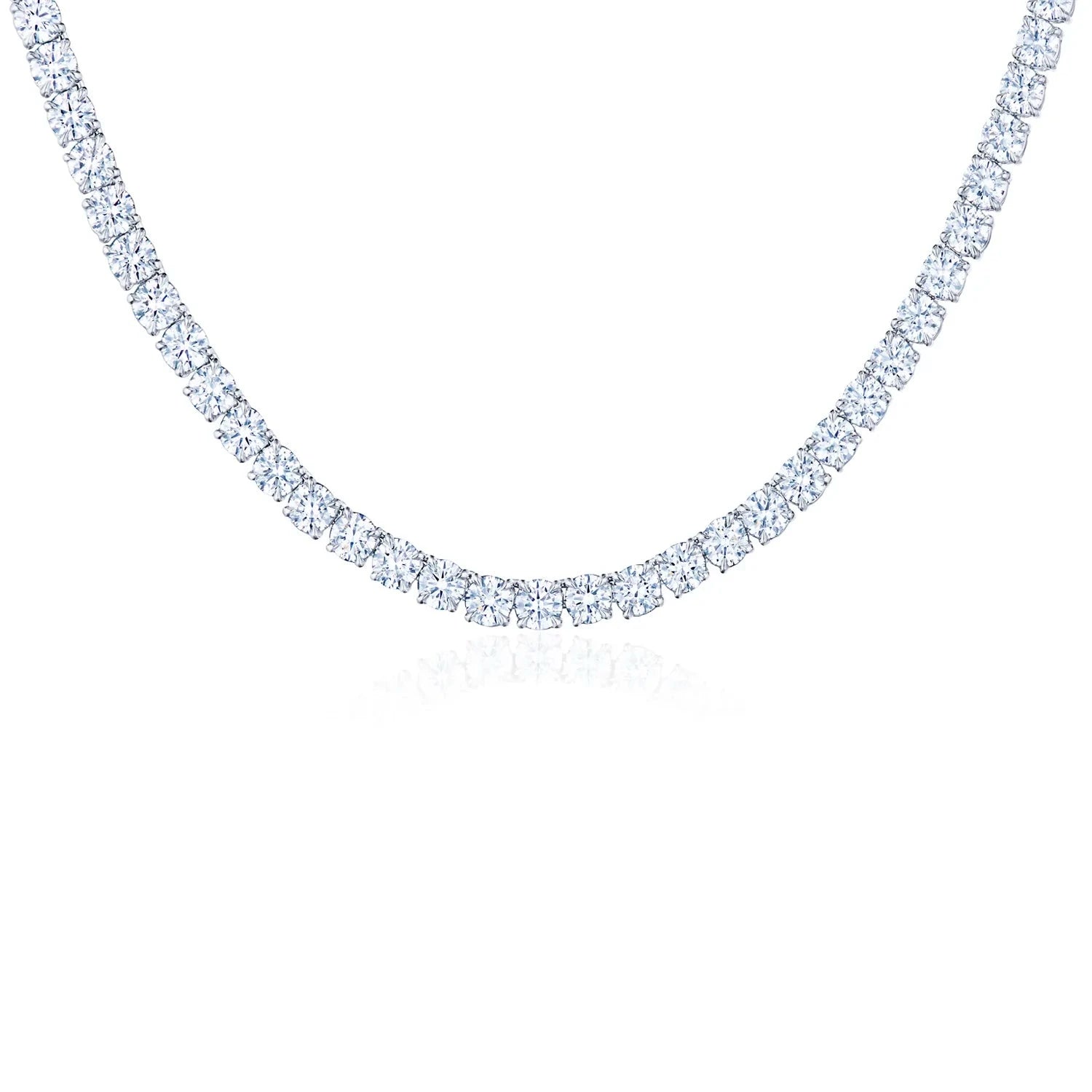
Round diamonds deliver the strongest brilliance, fire, and scintillation — the kind of sparkle people picture when they imagine a diamond.
The Rarity of Precision Cutting in Round Diamonds
Cutting a round brilliant diamond requires extraordinary skill. Much of the natural rough must be sacrificed — sometimes more than half — to create a perfectly symmetrical, high-performance stone. This makes the round brilliant not only visually superior but also inherently rarer.
Precision cutters must balance:
-
Facet alignment: each of the 58 facets must interact harmoniously
-
Proportions: angles control how light returns through the crown
-
Symmetry: ensures the diamond sparkles evenly from every direction
It is this combination of technical difficulty, material loss, and highly refined craftsmanship that raises the price of round diamonds above all other cuts — and secures their place as the industry’s most sought-after shape.
Why Round Diamonds Outprice Fancy Shapes
While oval, cushion, emerald, pear, and radiant shapes are beloved for their character and elegance, they typically cost 10–40% less than a round of the same quality.
Here is why:
1. Lower Rough Loss
Fancy shapes use more of the original diamond crystal, lowering production cost.
2. Flexible Proportions
Fancy shapes are not graded by GIA for cut quality the way rounds are. This gives cutters more leeway in shaping the stone.
3. Sparkle Diversity
Fancy shapes produce beautiful effects — but none achieve the pure, balanced brilliance of a finely cut round.
Gem Fact
The round brilliant cut has 58 facets arranged in a precise formula first refined by Marcel Tolkowsky in 1919, making it the only cut engineered specifically for maximum light performance.
Do Any Fancy Shapes Approach the Price of a Round?
A few get closer — especially when they exhibit excellent symmetry or are trending in engagement ring styles.
Oval Cut
Elegant, elongated, and bright. Ovals are more affordable than rounds but popular enough that high-quality stones sometimes narrow the price gap.
Pear-Shaped Cut
Distinctive and graceful, offering strong sparkle with a unique silhouette.
Radiant Cut
A hybrid of brilliant faceting and straight edges — vibrant and modern.
Emerald & Asscher Cuts
Known for their “hall of mirrors” effect. They require higher clarity, but even then, they remain below round brilliant pricing.
Still, none surpass the round brilliant in per-carat cost.
Collector’s Note
Historically significant diamonds — such as the 128.54-carat Tiffany Diamond — often influence public love for certain cuts. But even among legendary stones, the round brilliant maintains unmatched desirability.
Why Sparkle Matters in Cost
Because the round brilliant is engineered to maximize sparkle, it often delivers:
-
Stronger brilliance (white light return)
-
More fire (rainbow flashes)
-
More scintillation (contrast and sparkle movement)
This optical performance is one of the main reasons couples at Springer’s Jewelers choose rounds for engagement rings.
Related Questions Answered Clearly
Does the Most Expensive Cut Always Look the Biggest?
No. Ovals, pears, and marquise cuts often appear larger per carat because they have a longer surface area.
Are Round Diamonds Best for Engagement Rings?
They are a timeless choice — versatile, durable, and brilliantly sparkling — but the best cut is always the one that fits your style.
Do Fancy Shapes Offer Better Value?
Yes. Many clients choose ovals or cushions to maximize size without sacrificing beauty.
Is the Round Cut Always Worth the Premium?
If brilliance and tradition matter most to you, the round cut remains the gold standard.
The Round Brilliant: A Cut Rooted in Tradition — Just Like Springer’s Jewelers
For more than 150 years, Springer’s Jewelers has guided New England families through engagement ring traditions, celebrations, and heirloom moments. The round brilliant remains the most expensive cut not because of trend, but because of craftsmanship, science, and enduring beauty — values we proudly share.
Whether you are exploring round brilliants, fancy shapes, estate diamonds, or a custom design, our gemologists and family experts would be honored to help you find the cut that feels true to you.
Discover our selection, visit any Springer’s Jewelers location, or schedule an appointment today.