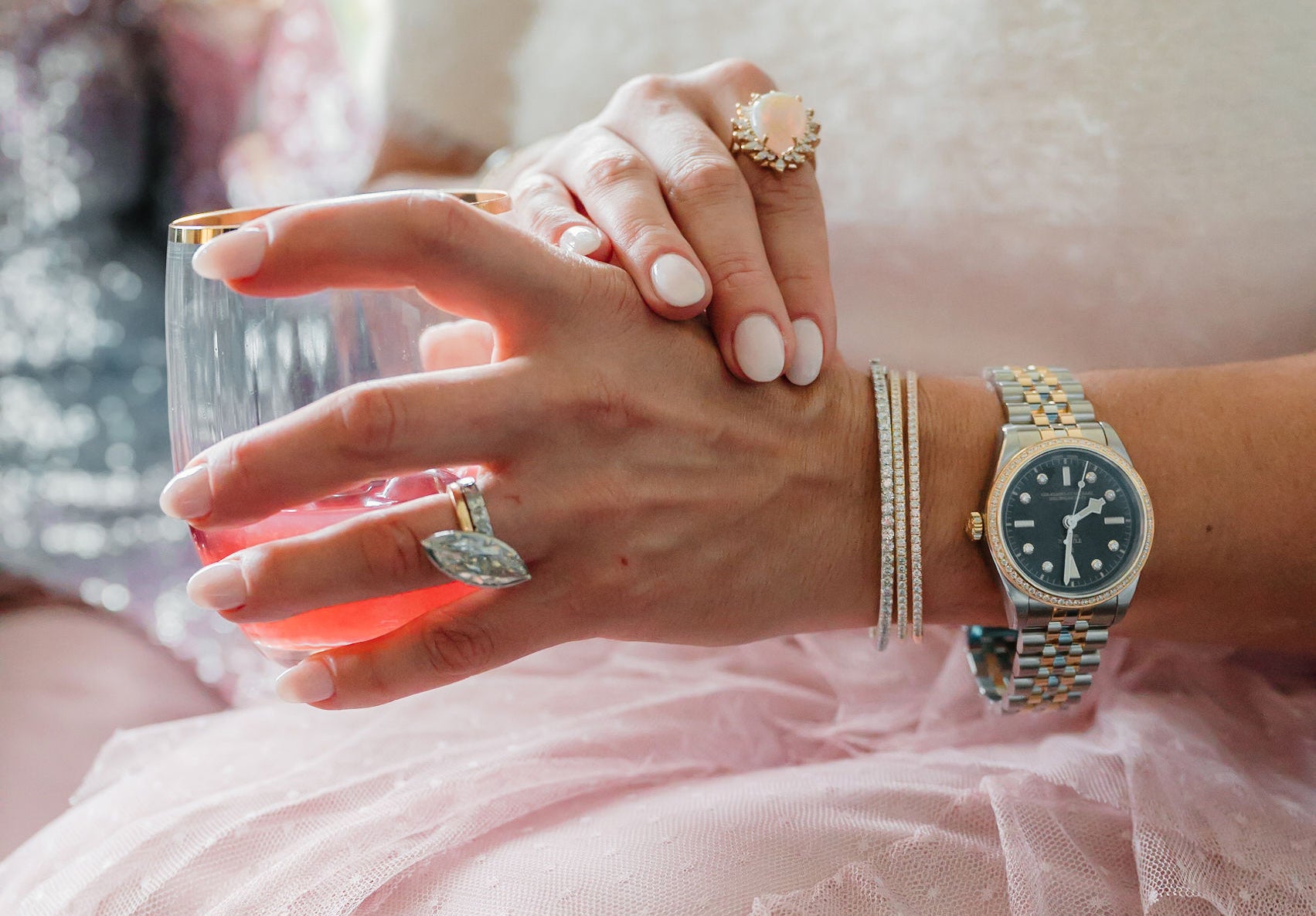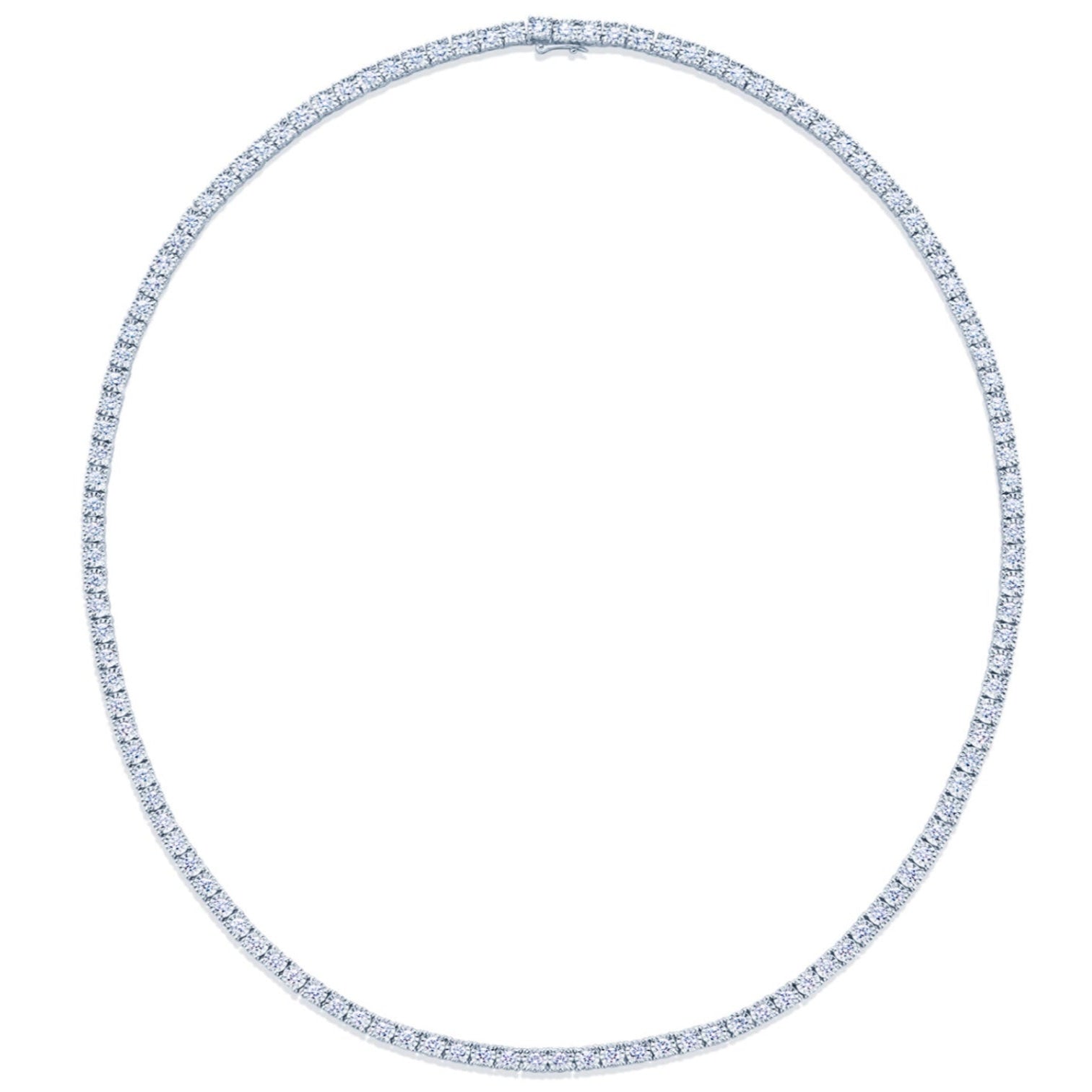
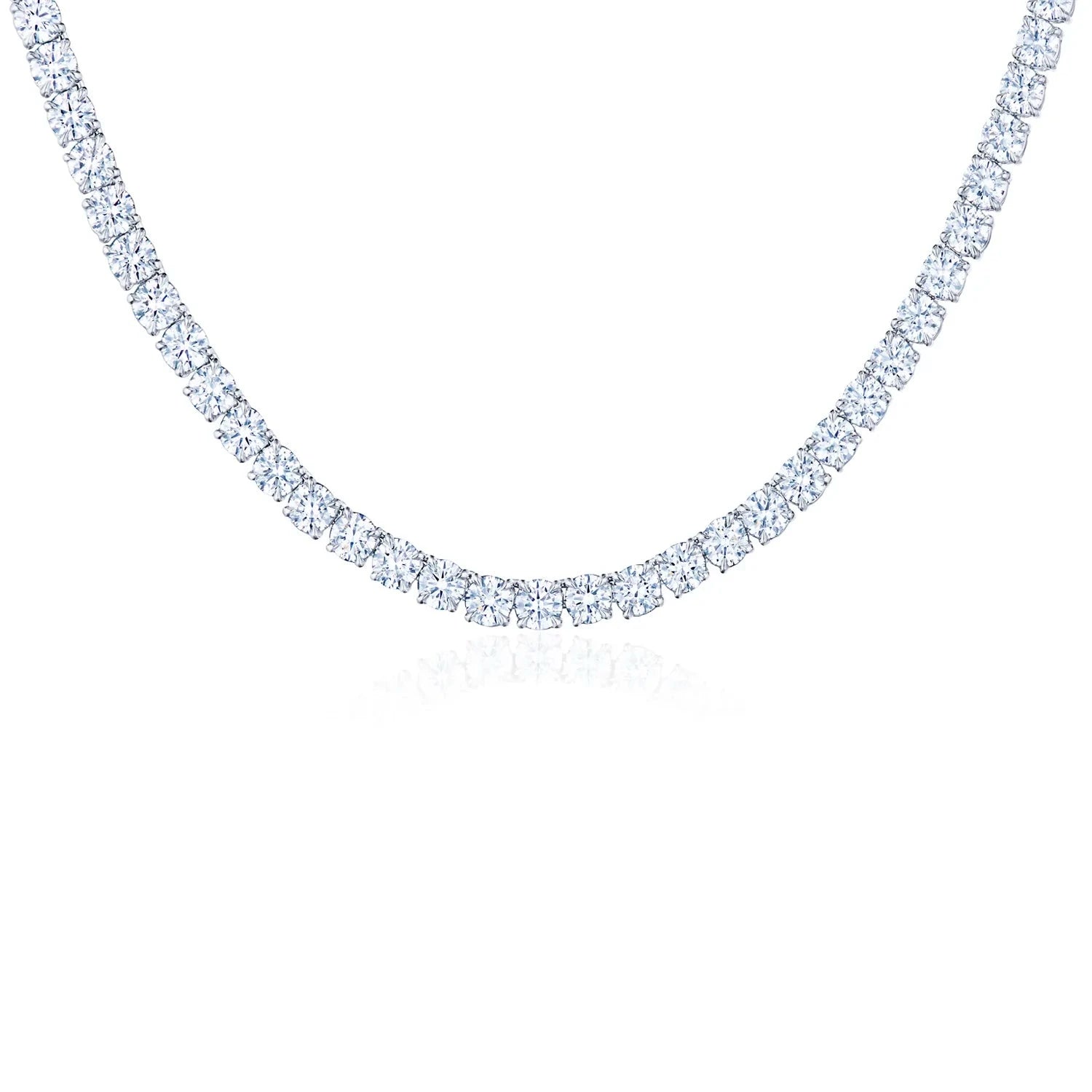
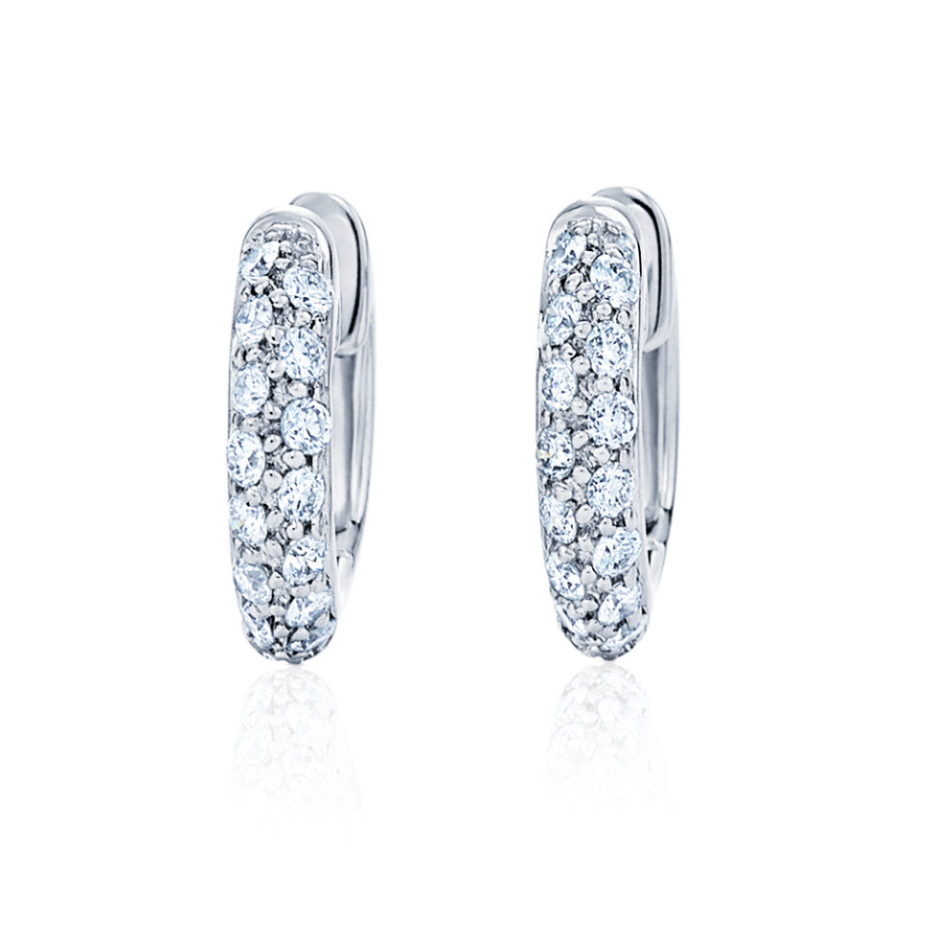



If you are trying to determine whether a diamond ring is real, the most reliable signs are usually the stone’s behavior under light, the quality of the setting, the metal markings inside the ring, and whether the diamond has been professionally tested. Real diamonds reflect light differently than imitations, remain resistant to scratching, and are typically set in fine metals like gold or platinum rather than inexpensive alloys.
That said, many modern simulants look convincing at first glance. Cubic zirconia, moissanite, and older imitation stones can all appear “real enough” in certain lighting, especially in inherited rings, estate jewelry, or older family pieces common throughout coastal New England homes and summer properties.
At Springer's Jewelers, one of the most common things we see is clients assuming a ring is either definitely real or definitely fake based only on sparkle. In reality, authenticity usually becomes clearer once you know what details actually matter.
The Setting Usually Reveals More Than The Diamond First
Before looking closely at the stone itself, look at the ring.
Real diamonds are typically mounted in:
-
14K gold
-
18K gold
-
Platinum
-
Occasionally sterling silver in vintage jewelry
Check inside the band for markings such as:
-
14K
-
18K
-
PT
-
PLAT
If the ring has no stamp at all, or feels unusually lightweight, that often raises questions immediately.
The craftsmanship matters too.
Prongs on fine jewelry tend to look clean, symmetrical, and properly finished. Poorly aligned settings, rough soldering, or thin lightweight construction often suggest the ring was not originally made to hold a valuable stone.
From The Jeweler’s Bench
Many clients focus entirely on the center stone first. But experienced jewelers often evaluate the setting before anything else because craftsmanship usually tells part of the story immediately.
Real Diamonds Reflect Light Differently
One of the easiest things to observe is how the stone handles light.
Real diamonds usually produce:
-
Sharp white reflections
-
Crisp contrast
-
Controlled sparkle
-
Depth under lighting
Imitation stones often appear:
-
Too rainbow-heavy
-
Glassy
-
Foggy
-
Flat under softer light
This becomes especially noticeable near windows, outdoors, or under softer coastal New England daylight where diamonds reveal depth more naturally.
A common misconception is that more rainbow flashes automatically mean higher quality. In reality, overly colorful reflection patterns can sometimes indicate moissanite rather than diamond.
Fog Tests Are Not Completely Reliable
People often try the “fog test” at home.
The idea is simple:
-
Breathe on the diamond
-
Watch how quickly the fog disappears
-
Real diamonds disperse heat quickly, so the fog usually clears faster.
But this test is not definitive.
Moissanite and some modern simulants can behave similarly enough that relying entirely on this method often creates confusion.
Expert Tip
At-home tests can sometimes help identify obvious imitations, but they rarely replace professional diamond testing equipment.
A Loupe Can Reveal Important Clues
Under magnification, real diamonds often show small internal characteristics called inclusions.
These may appear as:
-
Tiny crystals
-
Feathers
-
Pinpoints
-
Natural growth patterns
Perfectly flawless-looking stones at unusually large sizes sometimes deserve additional scrutiny.
Older estate jewelry especially may contain:
-
White sapphires
-
Spinel
-
Paste stones
-
Older cubic zirconia replacements
This is one reason inherited jewelry frequently benefits from professional evaluation rather than visual guessing.
The Diamond Should Match The Quality Of The Ring
This is something many people overlook.
A large “diamond” set in visibly inexpensive metal can sometimes signal inconsistency.
High-quality diamonds are usually paired with:
-
Properly finished settings
-
Balanced proportions
-
Durable construction
-
Secure prongs
-
Fine metals
That does not mean every modest ring is fake. Many vintage rings from family collections throughout Maine and coastal New England were intentionally understated.
But the overall quality should generally feel cohesive.
Design Insight
Well-made engagement rings and estate jewelry tend to feel visually balanced. The stone, setting, proportions, and craftsmanship usually make sense together.
Diamond Testers Are Helpful — But Not Perfect
Professional diamond testers measure thermal or electrical conductivity.
They are very effective for identifying many imitation stones quickly. However, some testers cannot fully separate:
-
Diamond
-
Moissanite
-
Certain advanced simulants
That is why experienced jewelers often combine:
-
Testing equipment
-
Magnification
-
Visual analysis
-
Setting evaluation
-
Stone measurement
-
Light performance observation
Professional identification is rarely based on one single factor alone.
Estate Jewelry Requires A Different Kind Of Evaluation
Estate jewelry often creates the most uncertainty because older rings may contain:
-
Antique cuts
-
Hand-cut stones
-
Replacement stones
-
Older mountings
-
Mixed eras of repair work
In coastal New England especially, many inherited rings have passed through generations, summer homes, family estates, and redesigns over decades.
A ring may contain:
-
A genuine antique diamond
-
A later replacement stone
-
Mixed metals
-
Modified settings
That complexity is part of why estate jewelry evaluation benefits from experienced inspection rather than online comparisons alone.
Common Signs A Diamond Ring May Not Be Real
|
Sign |
What It May Suggest |
|
Excessive rainbow sparkle |
Possible moissanite |
|
Visible scratches on the stone |
Likely not diamond |
|
Lightweight mounting |
Lower-quality construction |
|
No metal stamp |
Possible non-fine metal |
|
Cloudy appearance |
Glass or lower-grade simulant |
|
Poorly finished prongs |
Costume or imitation jewelry |
What To Do If You Are Unsure
If you genuinely do not know whether a ring is real, avoid guessing aggressively online or attempting damaging home tests.
Do not:
-
Scratch the stone intentionally
-
Hit it against hard surfaces
-
Use harsh chemicals
-
Attempt invasive testing
Instead, have the ring evaluated professionally.
Most people simply want clarity:
-
Is it real?
-
Is it valuable?
-
Is it worth resetting?
-
Can it be insured?
-
Should it be repaired?
Those answers usually become much easier once the ring is inspected properly under magnification and testing equipment.
A Springer's Jewelers Perspective On Diamond Authenticity
One thing we notice often is that people usually ask whether a ring is “real” when they are really asking something more emotional underneath.
They may be wondering:
-
Was this family story accurate?
-
Is this heirloom worth preserving?
-
Should I redesign this piece?
-
Is this engagement ring what I thought it was?
That is part of why professional evaluation matters beyond simple identification. Jewelry often carries history with it, especially in family collections passed through generations along the New England coast.
The answer is rarely only about the stone itself.
Frequently Asked Questions About Real Diamond Rings
Can A Real Diamond Ring Fail A Home Test?
Yes. Some home tests are inconsistent or affected by dirt, residue, or lighting conditions.
Does A Real Diamond Always Sparkle More?
Not necessarily more — but differently. Real diamonds typically produce sharper, cleaner light reflection.
Can Moissanite Look Like A Diamond?
Absolutely. Moissanite is one of the most convincing diamond alternatives visually.
Do Real Diamond Rings Always Have Stamps Inside?
Most fine jewelry does, though older estate jewelry occasionally shows worn or difficult-to-read markings.
Is Professional Diamond Testing Worth It?
Yes. Professional evaluation provides far more reliable information than online tests or visual guessing alone.
Know What You Are Looking At Before Making Decisions
Whether a ring came from an estate collection, a family jewelry box, an engagement, or an unexpected discovery, understanding what you actually have matters before making decisions about repair, resizing, insurance, redesign, or long-term wear.
At Springer's Jewelers, we are always happy to help clients better understand their diamond rings, estate jewelry, engagement rings, and fine jewelry pieces through careful evaluation and experienced guidance. You can discover our selection, schedule an appointment, or visit one of our coastal New England locations to explore jewelry with the same trusted craftsmanship and service that has guided Springer's Jewelers for over 150 years.