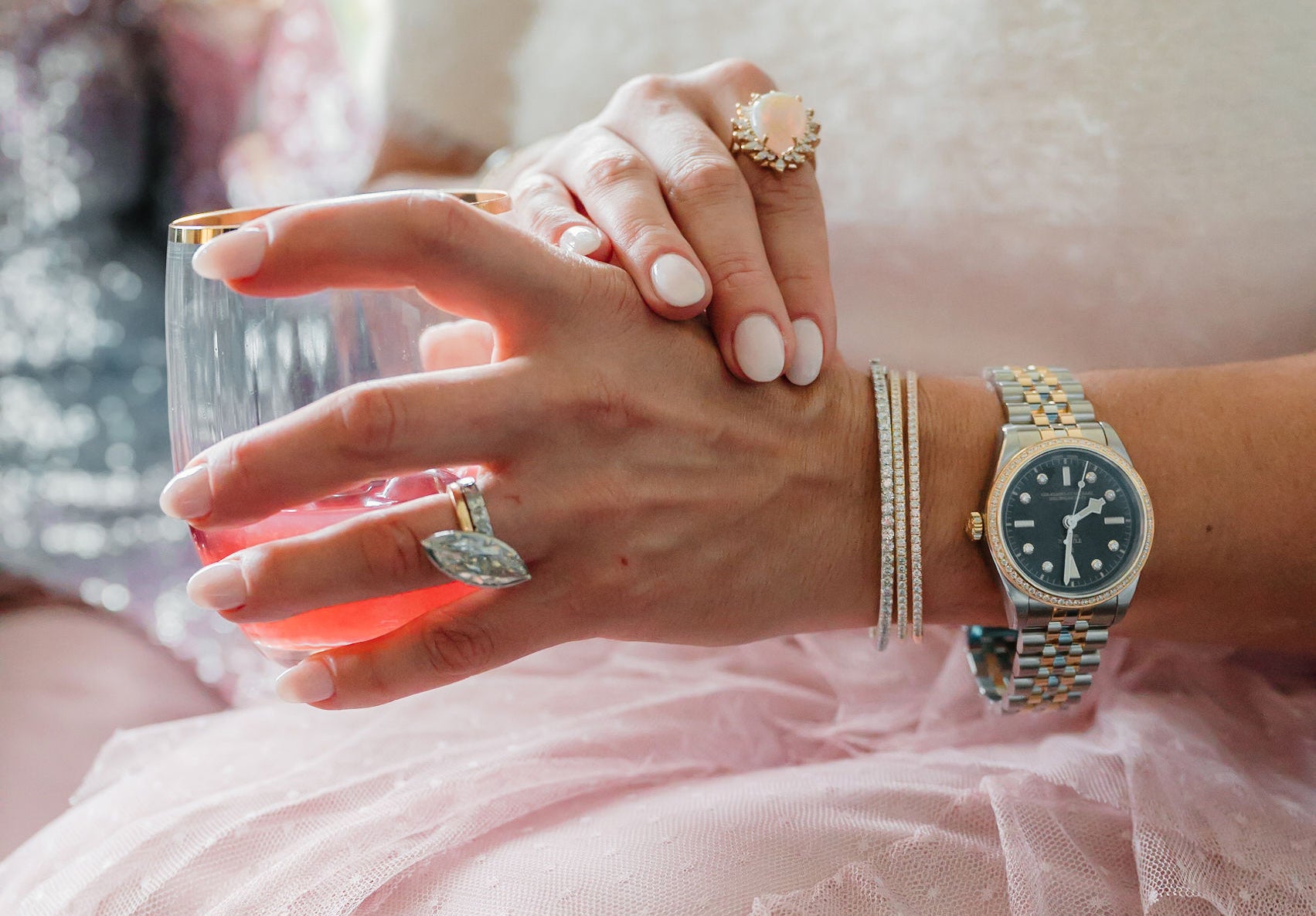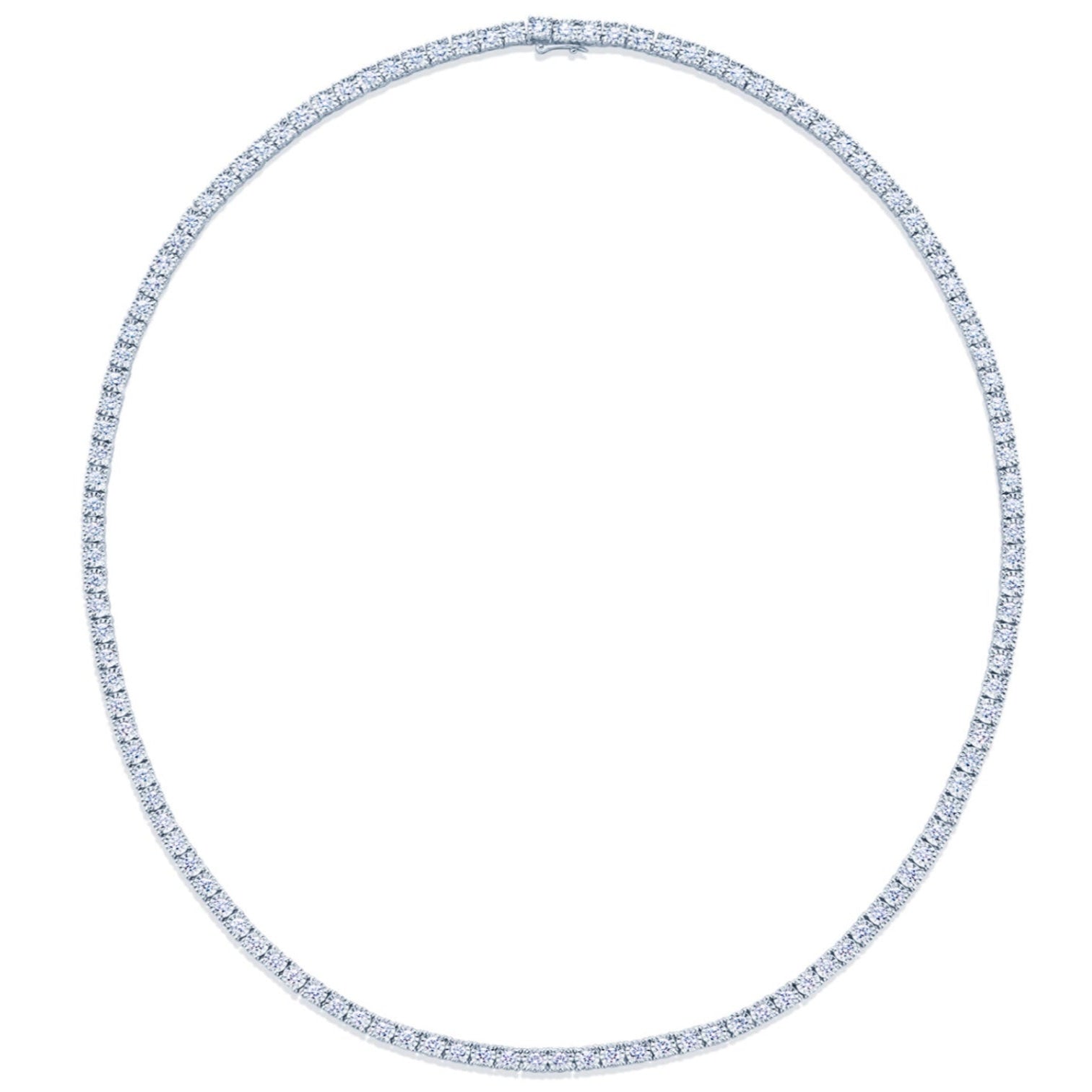
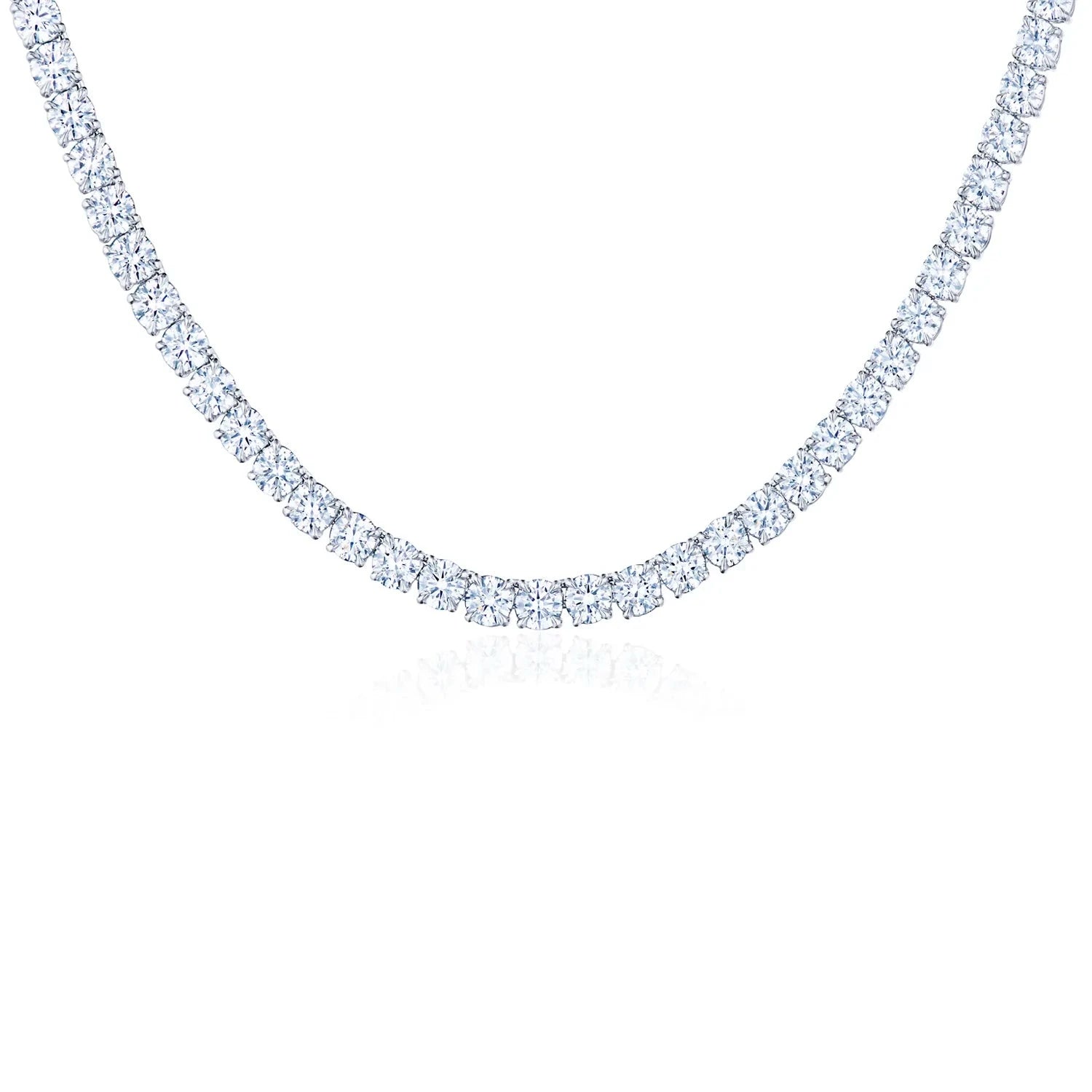
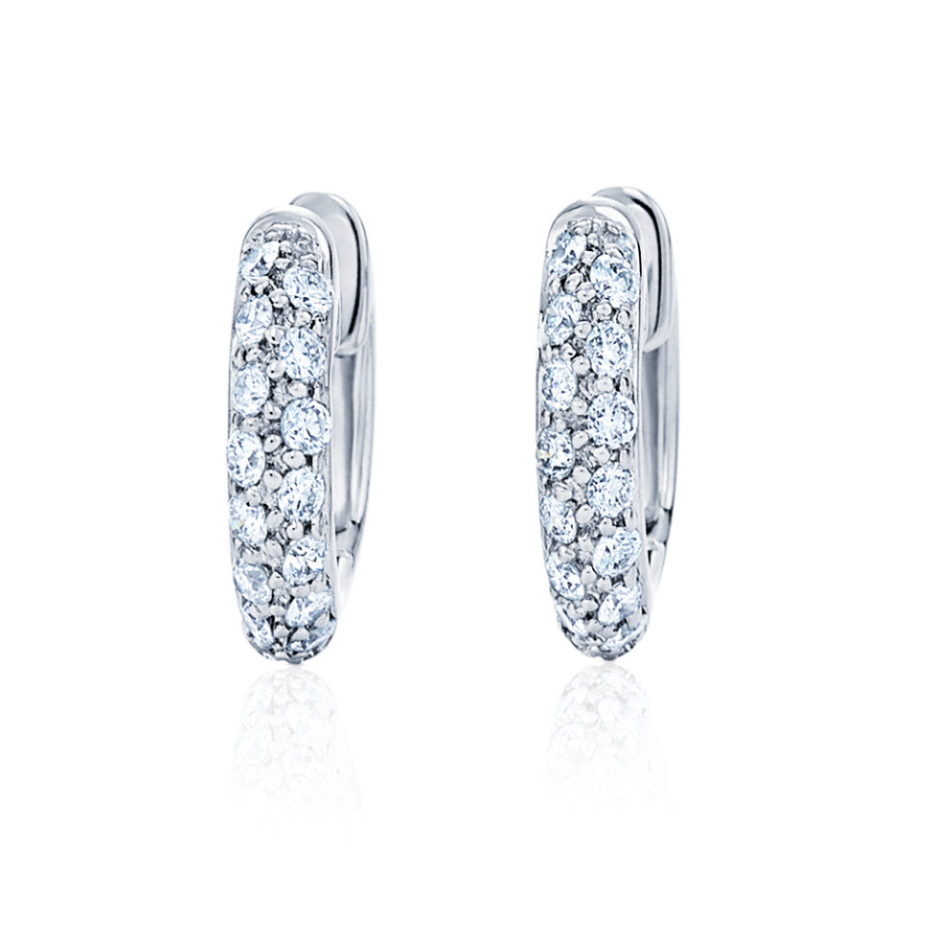




Yes, lab grown diamonds pass a standard diamond tester. They respond exactly like natural diamonds because they are real diamonds. Most testers measure how quickly heat moves through the stone, and both natural and lab grown diamonds conduct heat in the same way.
But in our showrooms at Springer’s Jewelers, that is rarely the only question you are asking.
When someone brings up a diamond tester, it is usually connected to something deeper:
-
“How do I know this is real?”
-
“Can someone tell the difference?”
-
“Is this the same as cubic zirconia?”
-
“Will it hold up over time?”
-
“If I bring it somewhere else, what will they say?”
Let’s walk through those real questions — the ones that come up across the counter every week.
“If It Passes The Tester, Does That Mean It’s Real?”
Yes.
A standard diamond tester confirms whether a stone is diamond. It does not confirm where it came from.
Lab grown diamonds pass because they share the same carbon structure and hardness as natural diamonds.
They are not imitation stones. They are not substitutes.
They are diamonds.
When clients in coastal New England ask this question, what they usually want to know is whether the stone will be recognized as authentic.
It will.
“Can A Diamond Tester Tell If It’s Lab Or Natural?”
No.
A handheld diamond tester cannot distinguish between lab grown and natural diamonds.
It confirms material, not origin.
To determine origin, trained gemologists use advanced equipment that analyzes growth patterns and microscopic characteristics. This is laboratory-level testing, not retail probe testing.
In real showroom conversations, we explain that certification — not a handheld tester — is what provides origin documentation.
Gem Fact
Both natural and lab grown diamonds are graded using the same Four Cs: cut, color, clarity, and carat weight.
“How Is This Different From Cubic Zirconia Or Moissanite?”
This is one of the most important distinctions.
Cubic zirconia and moissanite are diamond simulants. They are different materials that look similar to diamond but have different physical properties.
A diamond tester helps distinguish diamonds from these simulants.
Here is where clarity matters:
-
Cubic zirconia does not conduct heat like a diamond.
-
Moissanite conducts heat differently and may require a dual tester to identify accurately.
-
Lab grown diamonds respond exactly like natural diamonds.
-
When clients ask this, they are often worried about being misled.
At Springer’s Jewelers, authentication is part of the process before a stone ever reaches the showcase.
“Will Someone Else Be Able To Tell It’s Lab Grown?”
Visually, no.
Under normal viewing conditions, even trained professionals cannot identify origin without specialized equipment.
Lab grown diamonds can be cut to the same standards as natural diamonds. They sparkle the same way. They wear the same way.
In appointments, this is often the moment when hesitation fades. Once clients see natural and lab diamonds side by side, the decision becomes about preference rather than legitimacy.
“Does Passing A Tester Mean It’s Good Quality?”
No.
A tester confirms material, not beauty.
It does not measure:
-
Cut precision
-
Light performance
-
Symmetry
-
Setting craftsmanship
This is where experience matters.
A poorly cut diamond — natural or lab grown — will pass a tester but may not perform beautifully. A well-cut diamond will deliver brilliance that no probe can quantify.
From The Jeweler’s Bench
Cut quality affects what you see every day. Testing only confirms what the stone is made of.
Why Do People Ask About Testers?
Because trust matters.
In our 150 years as a family-owned jeweler serving coastal New England, we have seen that most technical questions are rooted in reassurance.
You want to know:
-
You are making a sound decision.
-
The diamond is authentic.
-
The piece will be respected and valued.
-
There will be no surprises later.
-
The tester feels like a simple proof point.
But real confidence comes from documentation, evaluation, and transparent conversation.
Where Certification And Expertise Fit In
Every diamond at Springer’s Jewelers — natural or lab grown — is accompanied by appropriate documentation.
Certification verifies:
-
The Four Cs
-
The diamond’s measurements
-
Its grading characteristics
-
Professional evaluation ensures the stone matches its report.
-
A tester is a quick confirmation tool.
Certification and expertise are what provide assurance.
Signature Perspective: The Question Behind The Question
When someone asks us, “Will this pass a diamond tester?” the conversation rarely ends there.
Often, it becomes:
-
“What would you choose?”
-
“Is one more traditional?”
-
“Will this feel meaningful ten years from now?”
Testing answers only one small piece of the puzzle.
Choosing a diamond is about understanding what matters most to you — origin, performance, symbolism, or value.
In our showrooms, we take the time to walk through each layer of that decision.
Final Thoughts On Lab Diamonds And Diamond Testers
Yes, lab grown diamonds pass a diamond tester.
But the better question is whether you feel informed and confident about what you are choosing.
If you would like to compare natural and lab grown diamonds side by side, review certification details, or discuss how each option fits your preferences, we invite you to discover our selection of fine jewelry at Springer’s Jewelers.
Schedule an appointment for a personalized consultation or visit one of our coastal New England locations. Clear answers lead to confident decisions — and that is always our goal.